
Most folks searching for custom engagement rings aren’t after just any ordinary look. Their love has a flavor all its own – so why shouldn’t the ring? A made-to-order piece steps into that space quietly, without fanfare. Picture adjusting each curve and stone exactly how it feels right, not limited by what’s already sitting in display cases. Lately folks who buy gems pay more attention to where stones come from and what they’re worth. Because of that shift, lab made diamonds now draw bigger crowds. They sparkle just like earth dug ones yet grow through science instead of mining. When choices around cut and gem type become clear, picking feels less confusing.
Lab Created Diamonds Explained
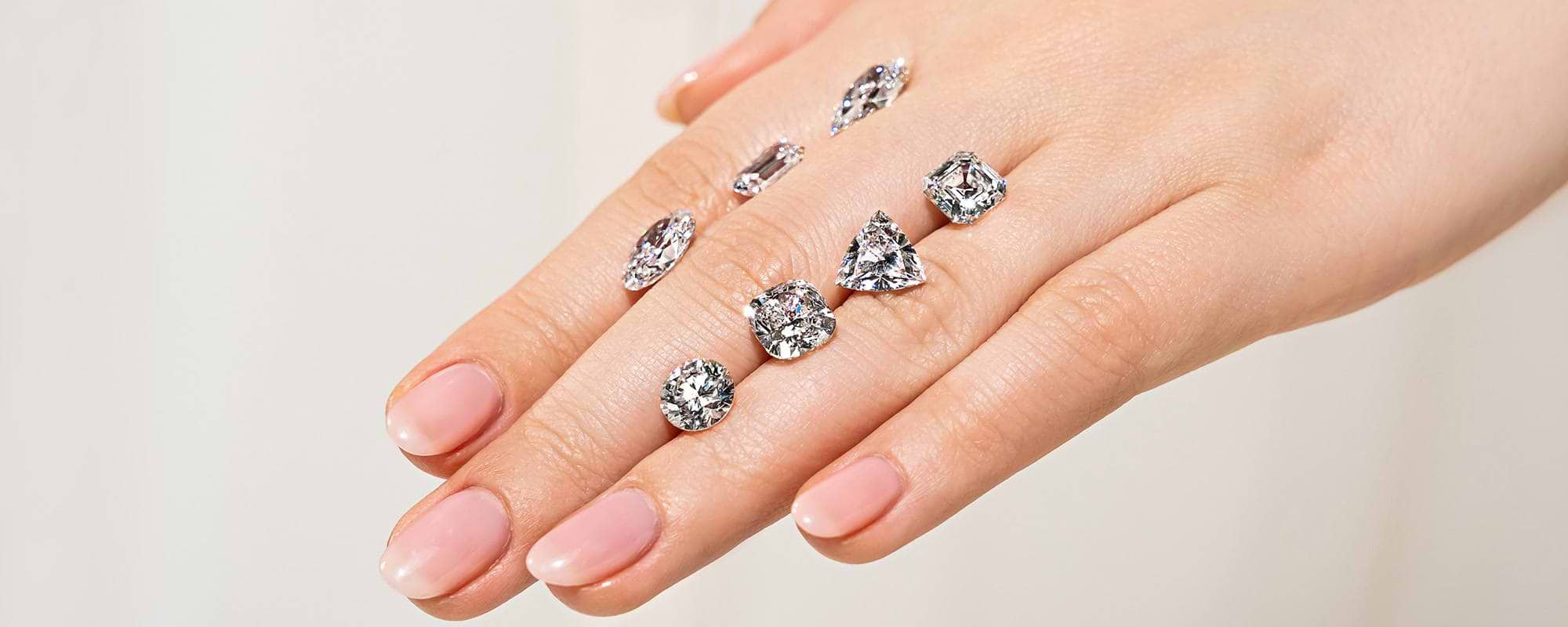
Diamonds made in labs? They’re genuine stones grown without digging into Earth. Same sparkle, same hardness, same carbon makeup – just born on a table instead of deep underground. What changes is time and place. Nature needs eons, heat, and crushing weight beneath the surface. Scientists speed it up using precision machines that mimic those wild conditions. Growth happens fast inside metal chambers rather than volcanic rock. No mines involved. Just science playing geology. A single glance at both stones might leave you guessing which is which. Picture two rings sitting next to each other – no obvious clues unless you bring in special equipment. One comes from deep underground, the other built atom by atom in a controlled space. Yet their sparkle tells the same story under normal light.
How They Are Made
One way to make lab created diamonds involves intense pressure and heat. Another uses gas reactions under controlled settings. Each mimics how they form underground, just through separate paths. Extreme temperatures reshape carbon atoms in the first method. The second builds them layer by layer using vapor. Conditions shift drastically depending on which technique runs. Down below, deep heat shapes how things form. Inside a closed space, a tiny diamond starter sits surrounded by gas packed with carbon. Little by little, atoms stack into solid structure. One after another, these processes craft gems tough enough for everyday life. That reality fits well when picking a ring meant to last.
Modern Diamond Options Offer New Possibilities
What draws many toward lab grown diamonds? It usually comes down to cost. For less money, you might receive a bigger gem or one with fewer flaws when set beside natural stones. Here’s another angle – knowing where your diamond came from matters. Since these gems are made in controlled spaces, their history is clear. That transparency means buyers see every step of creation. Design choices open up new possibilities. With personalized engagement rings, spending shifts – more goes into carat weight, craftsmanship, or mounting details rather than where it came from. Real benefits show up in everyday decisions
- Better size options within the same budget
- Consistent quality grading
- Reduced sourcing uncertainty
- Space opens up fresh options. Design gains extra breathing room. Ideas find new places to grow. Upgrades fit more easily now
Style meets budget when choices align just right. A careful pick shapes how it feels to wear daily. Money matters blend quietly into design decisions. Balance shows up in details most overlook.
What to Look For Before Buying
Some diamonds get judged differently than others. Pay attention to what experts call the 4Cs – cut, color, clarity, carat – but start with how it’s cut. Light bounces off better when the shaping is right. Size matters less when sparkle wins. Brightness often beats weight. A diamond’s hue shows if it looks transparent or has a slight tint. Usually, the less color seen, the greater its worth. What’s inside matters too – tiny features hide within most stones. These flaws typically can’t be spotted by eye. Weight plays a role, measured in carats. That number reflects mass, not just how large it seems. Beware of uncertified stones when picking lab grown diamonds – reputable labs grade them right. Quality stays clear only if an official body checks it first.
Selecting an Engagement Ring
Starting with a diamond means everything else follows its lead. That single stone decides how wide the band feels, how high the setting stands, even the overall look. A lone gem up front pulls attention – clean, quiet, strong. Rings that circle the center stone glow brighter, busier. Three stones together tell a longer story. Lab made gems fit these choices without limits. A bigger center stone does not have to stretch your spending limit. This opens doors – platinum or gold become realistic options. Take one pair who picks a one carat lab diamond, then shifts extra funds toward a personalized engraved ring. Someone else may skip the classic round for an uncommon oval silhouette. Balance shapes good choices. What feels right to you weighs more than standard rules.
FAQ
Are lab created diamonds real diamonds
True, these gems share the exact makeup of earth-mined ones. What sets them apart comes down to where they begin. A lab grows them, while traditional methods dig deep below. One forms under city lights, the other beneath mountain weight. Same sparkle, different starting point. Origin shapes perception more than substance ever could.
Last as long – natural diamonds do? That depends on how they’re made
True, both share identical toughness and last just as long. Perfect for everyday use, even wedding bands fit right in.
Maybe you could try using them inside a ring made just how you want it
Fine performance across every kind of ring setup opens up room to adjust both sizing choices and spending limits. Flexibility grows when design isn’t locked into rigid constraints.custom engagement rings