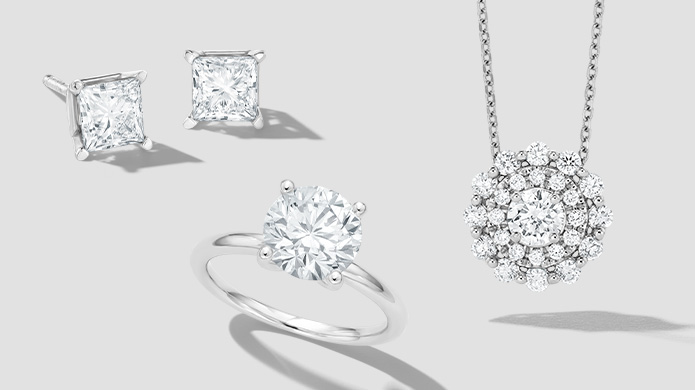

Kuala Lumpur buyers now expect more from fine jewellery. They want beauty, clear quality details, personal design, and responsible choices. This shift has placed lab diamonds KL searches at the centre of modern engagement ring shopping.
Lab-grown diamonds offer the brilliance and durability associated with diamonds. They also support a more transparent buying process. For couples choosing engagement rings, wedding bands, or anniversary gifts, that balance feels practical and meaningful.
Why Lab Diamonds KL Buyers Are Choosing a Modern Alternative
Lab-grown diamonds are real diamonds created in controlled environments. They share essentially the same chemical, physical, and optical properties as natural diamonds. Specialised equipment can identify their different origin.
A lab-created diamond is not cubic zirconia or moissanite. Those materials imitate a diamond’s appearance. A laboratory-grown diamond has the carbon crystal structure associated with diamond itself.
For Malaysian buyers, this opens more design freedom. A couple may choose a larger centre stone or detailed setting. They may also select a matching wedding band. The final choice can reflect personal priorities rather than old expectations.
What to Check Before Buying Lab Diamonds in Kuala Lumpur
A beautiful stone should also come with clear information. Buyers should compare quality, certification, setting design, and aftercare.
Start With the Four Cs
The four main quality factors are cut, colour, clarity, and carat weight.
- Cut controls light return, sparkle, and visual energy.
- Colour measures how colourless the diamond appears.
- Clarity describes internal and surface characteristics.
- Carat measures weight, not visible size alone.
Cut often deserves the most attention. A well-cut diamond can look bright and lively. A larger stone with weak proportions may appear dull.
Ask for a Diamond Grading Report
A trusted grading report confirms the diamond’s origin and recorded features. An IGI laboratory-grown diamond report can include shape, measurements, cutting style, and the Four Cs.
Check that the report number matches the diamond. Review its measurements, proportions, and listed treatments. Diamond certification adds useful proof and transparency.
Lab-Grown and Natural Diamonds Compared
| Feature | Lab-Grown Diamond | Natural Diamond |
|---|---|---|
| Origin | Created through controlled technology | Formed beneath the earth |
| Material | Diamond crystal | Diamond crystal |
| Appearance | Visually comparable | Visually comparable |
| Identification | Confirmed through advanced testing | Confirmed through advanced testing |
| Grading | Assessed through the Four Cs | Assessed through the Four Cs |
| Buying appeal | Modern choice with design flexibility | Traditional choice with geological rarity |
Lab-grown diamonds usually develop through CVD or HPHT methods. CVD builds diamond material from carbon-rich gas. HPHT recreates high-pressure and high-temperature growth conditions.
Neither process decides beauty alone. Cut quality, colour, clarity, and craftsmanship shape the finished result.
Ethical Sourcing and Sustainability Questions
Lab-grown diamonds avoid diamond mining. However, sustainability still requires careful review. Energy sources, production methods, metal sourcing, packaging, and transport affect each piece’s footprint.
Ask the jeweller where the diamond was produced. Request clear details about recycled metals, supplier standards, and workshop practices.
Responsible claims should rely on traceable information. Buyers should avoid vague environmental labels without supporting details. This approach helps people compare ethical diamonds with greater confidence.
Choosing the Right Engagement Ring Setting
The setting changes how a diamond looks and feels. It also affects daily comfort, protection, and maintenance.
Solitaire Settings
A solitaire places one diamond at the centre. The clean design suits round, oval, pear, emerald, and cushion cuts. It also pairs easily with many wedding bands.
Halo Settings
A halo surrounds the centre diamond with smaller stones. This design creates extra brilliance and stronger visual presence. A hidden halo adds a softer detail beneath the centre stone.
Three-Stone Rings
Three-stone engagement rings often represent a couple’s past, present, and future. The side stones can match the centre shape or create contrast.
Bezel Settings
A bezel wraps metal around the diamond’s edge. It offers a smooth, modern look and added protection. Active wearers may appreciate its secure profile.
Custom Engagement Rings With Personal Meaning
Custom engagement rings give couples control over each design detail. They can select the proportions, metal, stone shape, and setting style.
A jewellery designer can adjust the band width and prong style. They can also change the gallery and setting height.
Consider daily habits before finalising the design. A lower setting may suit frequent hand use. A raised setting creates stronger visual presence. It may also allow some wedding bands to sit flush.
Personalised jewellery can feature hidden gemstones or engraved dates. Initials and symbolic patterns can add further meaning. These details make the ring feel private and distinctive.
Where Jewellery Craftsmanship Adds Lasting Value
Diamond quality receives much attention. However, jewellery craftsmanship protects that quality.
Well-finished prongs should secure the stone without appearing heavy. The band should feel smooth and balanced.
Inspect these areas before purchasing:
- Stone alignment and symmetry
- Prong shape and security
- Metal finishing and polish
- Setting height and comfort
- Wedding band compatibility
- Resizing and maintenance options
Novita Diamonds presents a Kuala Lumpur showroom and specialised local selection. Buyers exploring lab diamonds KL can compare engagement ring designs and lab-grown diamonds in person.
Buyers can review lab made diamonds while comparing shapes, certification, ring settings, and custom design options.
Matching Diamond Shape to Personal Style
Shape affects a ring’s character more than many buyers expect. Round diamonds create classic brilliance. Oval cuts feel elegant and can appear longer on the finger.
Emerald cuts offer clean lines and a quieter glow. Pear shapes blend softness with drama. Cushion cuts feel romantic and balanced. Marquise diamonds create a bold silhouette.
Choose a shape that feels natural to the wearer. Personal style should guide the final decision.
Caring for Lab-Grown Diamond Jewellery
Lab-grown diamond jewellery requires the same practical care as other fine diamond pieces. Oils, creams, and dust can reduce visible sparkle.
Clean the ring with warm water and mild soap. Use a soft brush around the stone and setting. Avoid harsh household chemicals.
Remove fine jewellery during heavy lifting, gym sessions, or rough cleaning. These activities can scratch the metal or loosen the setting.
Arrange a professional inspection when the prongs feel loose. The ring should also receive attention after a hard impact. Regular care protects its setting, polish, and long-term comfort.