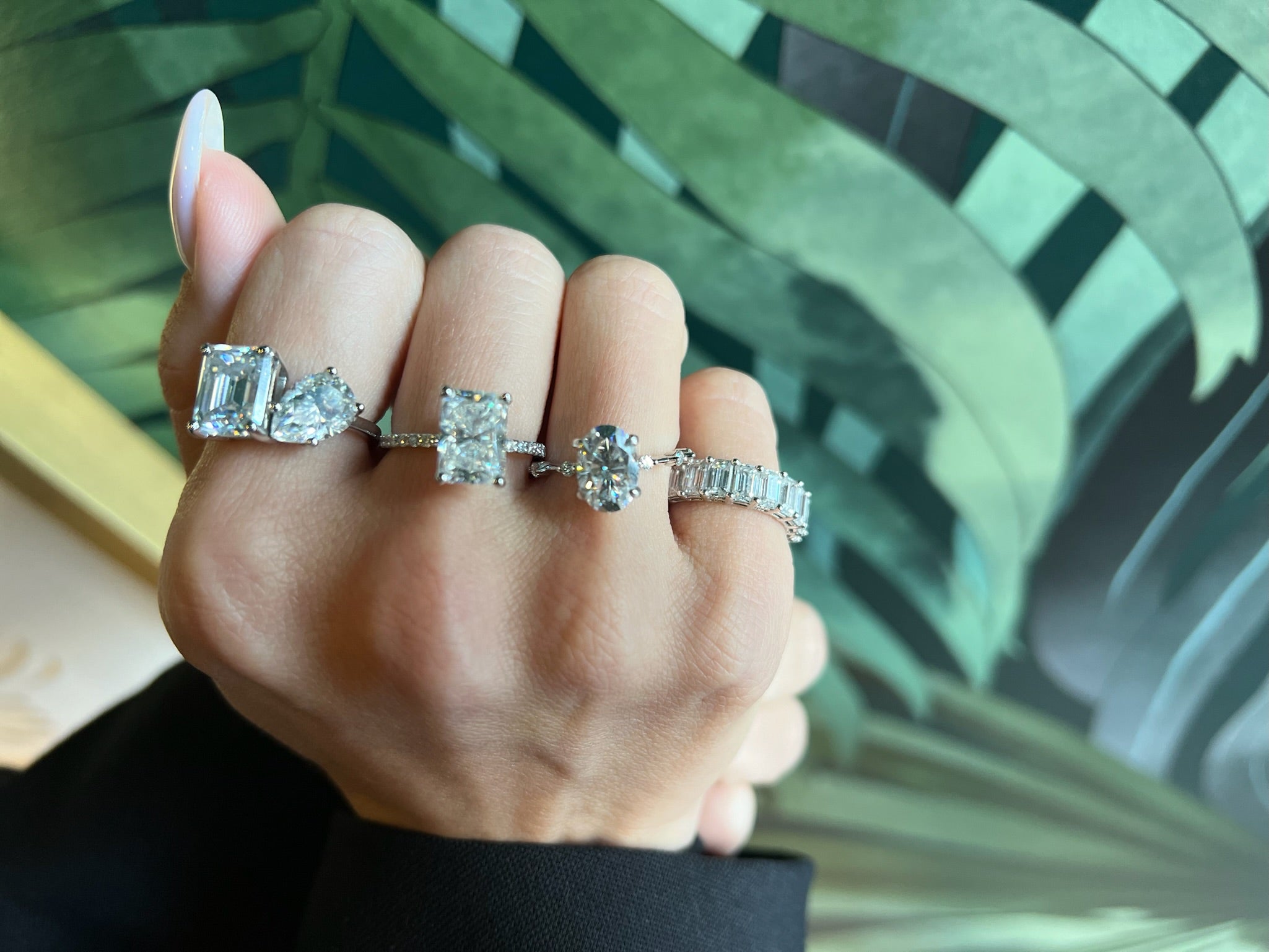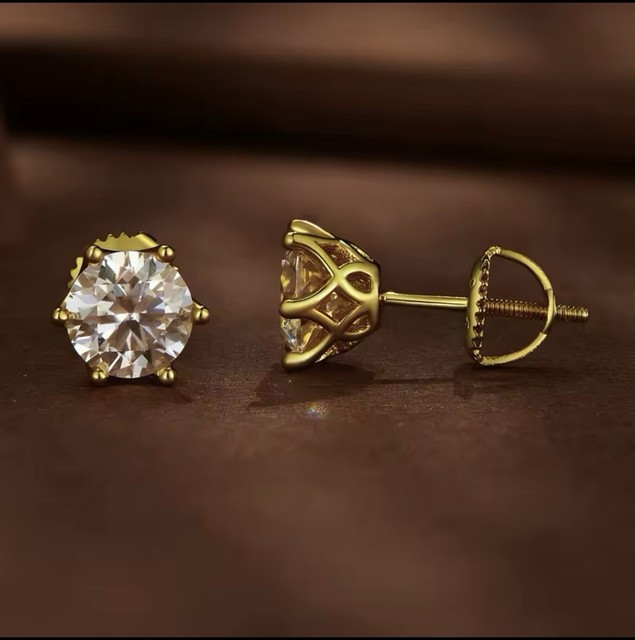

Buying a lab diamond loose gives you something a finished ring cannot: the chance to evaluate the diamond on its own merits before deciding how it should be set. Instead of accepting a jeweller’s pre-selected combination of stone and setting, you can compare shape, cut quality, dimensions, colour, clarity and visual character first.
For Australian buyers planning an engagement ring or custom piece of diamond jewellery, this approach can make the selection process more deliberate. The key is knowing which details have the greatest effect on appearance and which grading numbers may matter less once the diamond is viewed face-up.
Why Buy the Diamond Before Choosing the Setting?
A loose laboratory-grown diamond can be inspected without prongs, bezels or surrounding stones affecting how it looks. That makes it easier to compare individual diamonds and decide where your budget is best spent.
It also gives you more freedom with custom engagement rings. Once the centre stone is chosen, a setting can be designed around its exact measurements rather than selecting a diamond simply because it fits an existing mount.
This is particularly useful with elongated shapes such as oval, pear, emerald and radiant diamonds. Two stones with the same carat weight can have noticeably different dimensions and face-up appearances.
Start With Cut and Overall Appearance
Carat weight is easy to compare, but it should not automatically be the first priority. A diamond’s cutting and proportions influence how effectively it handles light and how lively it appears.
With round brilliant diamonds, cut quality is especially important because brightness, fire and scintillation are closely connected with proportions and facet relationships. GIA notes that its cut assessment for qualifying round brilliant diamonds considers factors including brightness, fire, scintillation, proportions, durability, polish and symmetry.
Fancy shapes require a more visual approach because a single grade does not tell the entire story. Look at:
- the balance and symmetry of the outline
- how evenly light is distributed across the stone
- noticeable dark or dull areas
- the shape’s proportions
- the visual size relative to its carat weight
Videos and face-up images can be especially helpful when shopping online.
Carat Weight and Visible Size Are Not the Same Thing
Carat measures weight, not diameter or visible surface area.
This distinction matters when comparing man made diamonds. Two one-carat stones can look different in size because their weight is distributed differently. A deeper diamond may carry more material below the girdle, while another may spread more of its weight across its visible dimensions.
Rather than judging size from carat alone, compare the millimetre measurements listed with the stone.
Shape also changes how size is perceived. Oval, marquise and pear shapes can create a longer visual profile, while cushion diamonds often have a more compact outline. Neither approach is inherently better; the right choice depends on the finished jewellery design and the wearer’s preferences.
How Much Colour and Clarity Do You Really Need?
Higher grades are not automatically the most sensible choice for every buyer.
Diamond colour should be considered alongside shape, size and the metal used in the final setting. Subtle differences between neighbouring colour grades may be difficult to appreciate without controlled comparison, particularly once a diamond is mounted.
Clarity works in a similar way. The practical question for many shoppers is not simply, “What is the highest clarity grade I can afford?” It is whether inclusions are noticeable during normal viewing and whether their position or nature affects appearance.
Some shapes can reveal inclusions more readily than others. Step-cut diamonds such as emerald cuts have broad, open facets that may make internal characteristics easier to see than a brilliant-style facet pattern.
A balanced purchase often comes from assessing the whole diamond rather than paying for a specification that produces little visible difference.
Certification Should Be Part of the Comparison
An independent grading report gives buyers a structured way to understand what they are comparing. Depending on the grading laboratory and report type, information may include measurements, weight, colour, clarity and other identifying or quality characteristics.
The report should complement visual assessment rather than replace it.
When comparing a lab diamond loose, Australian shoppers can use the grading information alongside images, videos and dimensions to narrow down stones that suit both the intended design and budget.
It is also sensible to verify that the report details correspond with the diamond being offered. Laboratory-grown diamonds should be clearly identified as laboratory-grown rather than presented in a way that could create confusion about their origin.
Choosing a Shape for the Finished Ring
Shape is partly aesthetic, but it also affects setting design, visual size and how the diamond behaves in everyday wear.
| Diamond shape | Visual character | Setting consideration |
|---|---|---|
| Round | Balanced, highly brilliant appearance | Works with most ring styles |
| Oval | Elongated and elegant | Alignment and symmetry deserve attention |
| Emerald | Clean, geometric step facets | Clarity can be more noticeable |
| Cushion | Soft corners and varied facet patterns | Appearance can vary significantly between stones |
| Pear | Distinctive tapered profile | The pointed end benefits from protection |
A solitaire keeps attention on the centre stone, while a halo can increase the overall visual footprint. Pavé settings introduce additional sparkle along the band. Bezel and protective prong designs may be worth considering for shapes with vulnerable points or corners.
Choose the centre diamond with the final setting in mind, but avoid letting the setting dictate every specification before you have evaluated the stone itself.
Compare Diamonds Side by Side, Not Grade by Grade
A grading filter is useful for building a shortlist, but the strongest comparison usually happens between individual diamonds.
Imagine two stones with similar carat, colour and clarity grades. One may have more attractive dimensions, better visual balance or a sparkle pattern that appeals more to you. The other may carry specifications that look stronger on paper yet provide no meaningful visual advantage for your priorities.
For Australian shoppers researching laboratory-grown diamonds through specialists such as novitadiamonds.com, narrowing the selection by measurable characteristics and then comparing actual stone imagery can make the process far more practical.
Before committing to a centre stone, check its grading information, dimensions, face-up appearance, symmetry and compatibility with the intended ring setting. Those details provide a clearer picture of what you are actually buying than carat weight or a single grade viewed in isolation.