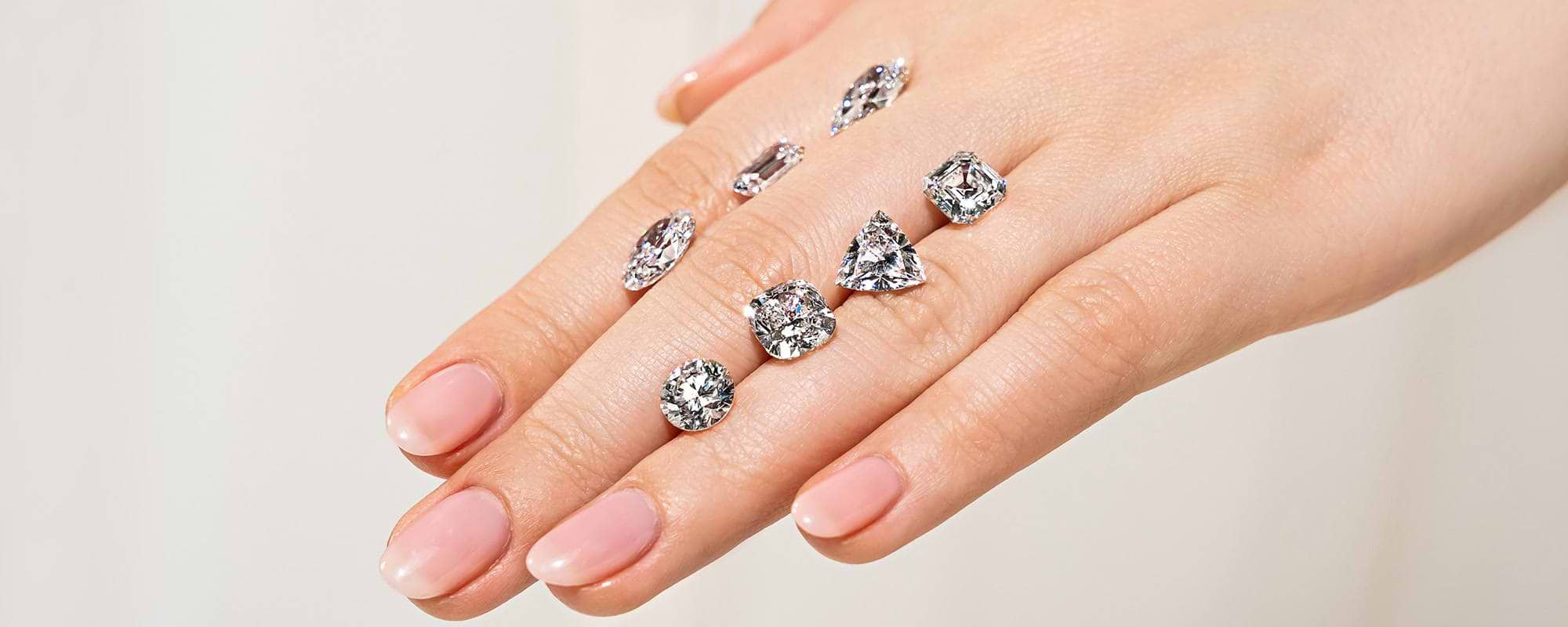

Honestly, that moment stuck with me. Not because the question was new — it isn’t — but because it summed up where a lot of Australians are right now. Curious. Practical. A little sceptical. And quietly tired of being sold the same old diamond story.
Over the past few years, I’ve spoken to jewellers, couples planning weddings on sensible budgets, investors watching the luxury market shift, and everyday people who just want something beautiful without the guilt or the markup. And the same topic keeps coming up: 4Cs lab diamonds.
So let’s talk about them properly. No fluff. No jewellery-store pressure tactics. Just a clear, human explanation of what the 4Cs mean in the world of lab-grown stones — and why they matter more now than ever.
Why Lab Diamonds Are Suddenly Everywhere (And Why That’s Not a Bad Thing)
You might not know this, but lab-grown diamonds aren’t some shiny new invention. Scientists have been creating diamonds in controlled environments for decades. The difference now is quality — and accessibility.
Today’s lab made diamonds are chemically, physically, and optically identical to mined diamonds. Same sparkle. Same hardness. Same fire when the light hits just right. The only real difference is where they come from.
Instead of being dug out of the earth, they’re grown using advanced technology that mimics natural conditions. And that shift has quietly changed the jewellery landscape.
For a lot of Australians, this isn’t about trends. It’s about values. Environmental impact. Ethical sourcing. And, let’s be honest, not wanting to spend the equivalent of a house deposit on a ring.
That’s where the 4Cs come in.
The 4Cs: Still the Gold Standard (Even for Lab Diamonds)
Whether a diamond is mined or grown in a lab, its quality is judged the same way — using the 4Cs:
- Cut
- Colour
- Clarity
- Carat
These standards weren’t reinvented for lab diamonds. They’re exactly the same metrics gemologists have relied on for decades. The difference is how much control buyers now have.
If you’ve ever felt overwhelmed staring into a glass case full of rings while a salesperson waits for you to nod, lab diamonds flip that experience on its head. You get choice. Transparency. Breathing room.
Let’s walk through each C, the way a real buyer would — with practical context, not textbook definitions.
Cut: Where the Sparkle Actually Comes From
Here’s something that surprises people: cut has nothing to do with a diamond’s shape.
Round, oval, emerald — those are shapes. Cut is about how well the diamond’s facets are proportioned and aligned. And it’s the single biggest factor in how a diamond looks once it’s on your finger.
A perfectly colourless diamond with poor cut will still look dull. I’ve seen it happen. On the other hand, a well-cut lab diamond can outshine a larger, more expensive stone without breaking a sweat.
With lab diamonds, cutters can be incredibly precise. They’re not working around natural flaws in the same way miners often are. That means more consistently excellent cuts across the board.
If you’re comparing options, this is where I’d focus first. Always.
Colour: Less Is More (Most of the Time)
Diamond colour grading runs from D (completely colourless) to Z (noticeably yellow or brown). And yes, colourless diamonds are rare — but rarity doesn’t always equal value for money.
In real-world lighting, most people can’t tell the difference between a D and an F. Sometimes even a G. Especially once the diamond is set in a ring and not sitting under harsh jeweller lights.
One of the advantages of 4Cs lab diamonds is availability. You’re not limited to whatever happens to be pulled from the ground that year. You can choose the colour range that suits your taste and budget without compromise.
White gold or platinum? You might want to stay closer to the colourless end. Yellow gold? Slight warmth can actually look stunning.
This is where personal preference beats tradition every time.
Clarity: The Myths and the Reality
Clarity measures internal characteristics (inclusions) and surface marks (blemishes). And here’s the truth most people don’t hear: nearly all diamonds have inclusions.
The key term is “eye-clean.” If you can’t see imperfections without a microscope, they don’t matter in daily wear.
Lab diamonds often score higher on clarity because the growth process is controlled. Fewer random inclusions. Less chaos. That doesn’t mean they’re “too perfect” — it just means you’re more likely to get a clean-looking stone for less money.
I once compared two diamonds side by side — one mined, one lab-grown — both labelled VS1. To the naked eye? Identical. Price difference? Not even close.
Carat: Size, Perception, and Honesty
Carat is where emotions creep in. Bigger feels better. More impressive. More “worth it.”
But carat is just weight. A well-cut smaller diamond can look larger than a poorly cut heavier one. And lab diamonds allow buyers to rethink what size means without financial regret.
This is where people quietly upgrade. Not because they’re greedy — but because they can.
Instead of settling for a size that feels symbolic rather than satisfying, lab diamonds let couples choose something that actually excites them.
And honestly? That matters.
Certification Still Matters (Don’t Skip This)
Here’s my journalist hat coming on for a moment: not all lab diamonds are equal.
Reputable stones are graded by independent laboratories like GIA or IGI, using the same standards applied to mined diamonds. Always ask for certification. Always read it. Always check that the 4Cs are clearly listed.
If you want a straightforward breakdown of how the grading system works, this guide to 4Cs lab diamonds is genuinely useful. No fluff, just clarity — which, ironically, is exactly what most buyers need.
Are Lab Diamonds “Worth It”? The Question Everyone Asks
This depends on what “worth it” means to you.
If you’re buying a diamond purely as a speculative investment, mined stones still dominate that space — for now. But for jewellery that’s meant to be worn, loved, and lived in?
Lab diamonds make a lot of sense.
They’re more affordable. More traceable. And increasingly accepted across the industry. Insurance companies cover them. Jewellers set them. Consumers buy them without apology.
I’ve noticed something interesting too: people who choose lab diamonds tend to talk about their rings with more confidence, not less. They’ve done the research. They know what they’re wearing. And that quiet assurance shows.
Style, Budget, and Modern Choices
Another thing worth mentioning is how lab diamonds have changed design trends.
Because the stones themselves are more accessible, buyers can put more thought into the setting. Unique bands. Custom designs. Vintage-inspired pieces that would’ve been out of reach before.
If you’re planning a wedding or upgrade and looking at modern options, I came across a surprisingly helpful piece on lab made diamonds while researching budget-conscious jewellery choices. It’s the kind of article you bookmark, then come back to later with a clearer head.
What I’ve Learned Watching This Shift Firsthand
Trends come and go. I’ve seen rose gold surge, disappear, and sneak back again. I’ve watched halo settings dominate, then quietly retreat. But lab diamonds feel different.
They’re not a fad. They’re a response.
A response to buyers asking smarter questions. To couples wanting transparency. To a generation that values intention as much as aesthetics.
And the 4Cs? They’re still the anchor. The common language that lets people compare, choose, and understand what they’re buying — without needing a gemology degree.
Final Thoughts (The Honest Kind)
If you’re standing at the edge of this decision — scrolling late at night, tabs open, calculator nearby — here’s what I’d say:
Don’t let outdated ideas define modern choices.
Learn the 4Cs. Trust your eyes. Ask questions.
And choose the diamond that feels right for you.
Because whether it’s mined or grown, a diamond’s real value isn’t just in its specs. It’s in the moment it represents — and how confidently you step into it.