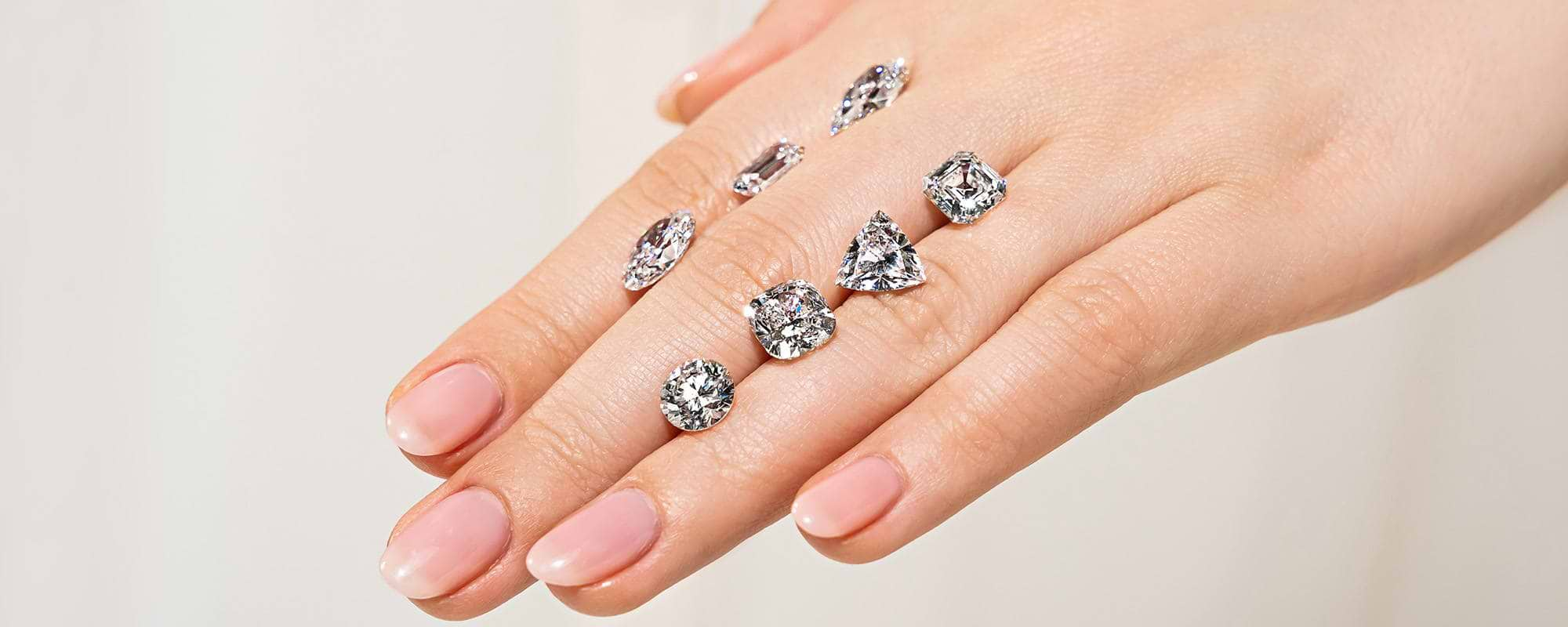

Some engagement rings make their impression through size. Others stand out because of their design and the meaning behind it. Three-stone rings offer both, bringing three diamonds together in a setting that feels balanced and personal.
For couples who appreciate this style, three stone lab grown diamond rings offer more flexibility in choosing diamond sizes, shapes, and arrangements. The appeal goes beyond appearance. Understanding stone proportions, setting construction, and diamond quality can help buyers choose a ring that looks beautiful and feels comfortable for years.
Why Three Stones Make a Meaningful Ring
Three-stone rings are traditionally associated with the past, present, and future of a relationship. Each diamond represents a different chapter, giving the design a sentimental quality without requiring elaborate details.
The arrangement also creates a distinctive appearance. A larger center diamond draws attention, while two surrounding stones add width and visual balance. Depending on their proportions, the result can look delicate, structured, or noticeably bold.
Unlike a solitaire, which concentrates attention on one diamond, a three-stone ring allows different shapes and sizes to work together.
The Difference Lab-Grown Diamonds Make
Lab-grown diamonds are real diamonds produced through controlled technological processes rather than geological formation. According to the Gemological Institute of America (GIA), they have essentially the same chemical, physical, and optical properties as natural diamonds.
Manufacturers primarily use two methods: chemical vapor deposition (CVD) and high-pressure, high-temperature (HPHT). Both can produce gem-quality diamonds suitable for engagement jewelry.
One practical advantage is pricing. Lab diamonds generally cost less than comparable natural diamonds at retail, allowing buyers to consider larger stones or more elaborate settings within their budget.
However, price should not replace careful quality evaluation. Two diamonds with similar carat weights can look noticeably different because of their cut, proportions, and clarity characteristics.
Choosing Diamond Shapes That Work Together
The shape of each stone influences the ring’s personality. Matching all three diamonds creates symmetry, while combining different cuts introduces contrast.
Round, Oval, and Emerald Combinations
Round brilliant diamonds remain a familiar choice because their faceting produces lively sparkle. Three round stones create a traditional appearance, particularly when the center diamond is larger.
An oval center diamond paired with pear-shaped side stones produces a softer, elongated silhouette. The tapered ends of the side stones can guide the eye toward the center.
Emerald-cut diamonds offer a different effect. Their step-cut facets create broad flashes of light rather than the smaller, rapid reflections associated with brilliant cuts. Paired with tapered baguettes, they give a three-stone design a clean, architectural appearance.
Buyers considering fancy shapes should view actual videos of the diamonds. Ovals may show a dark bow-tie pattern, while emerald cuts can reveal inclusions more readily through their open facets.
Getting the Three-Stone Proportions Right
A well-balanced ring depends on more than total carat weight. The relationship between the center diamond and side stones determines where the eye naturally settles.
For example, a one-carat round center diamond paired with two quarter-carat side stones creates a clear focal point. Increasing the side stones to half a carat each produces a fuller arrangement with a stronger horizontal presence.
Neither combination is automatically better. Finger size, stone shape, and personal preference all influence the result.
Carat weight measures mass, not visible dimensions. Comparing each diamond’s millimeter measurements offers a more reliable picture of the finished design.
Color consistency also deserves attention. Side stones with noticeably warmer tones may stand out beside a colorless center diamond, especially in white metal settings.
Settings That Balance Beauty and Security
The setting affects both appearance and everyday wear. Three diamonds create additional points where prongs can catch on clothing or experience accidental pressure.
Prong settings expose more of each diamond and allow the stones to remain visually prominent. Bezel settings surround the edges with metal, offering greater protection against certain impacts.
For someone who regularly works with their hands, a lower-profile setting may feel more comfortable than a tall arrangement.
Metal choice matters too. Platinum offers strength and naturally white color, while 14K and 18K gold provide different combinations of durability, color, and gold content.
Buyers should also check whether a straight wedding band will sit flush against the engagement ring. Some three-stone settings require a curved or specially designed band.
Checking Diamond Quality Before Buying
When comparing three stone lab grown diamond rings, start with the center diamond’s cut quality and visual performance. A higher carat weight cannot compensate for a poorly proportioned stone.
Independent documentation adds useful information. Reports from recognized gemological laboratories can identify diamond origin and describe relevant quality characteristics.
GIA’s laboratory-grown diamond assessment system differs from its natural diamond grading reports. Buyers should understand which information their specific report provides rather than assuming every laboratory uses identical terminology.
The Federal Trade Commission also requires sellers to clearly distinguish laboratory-created diamonds from mined diamonds in their product descriptions.
Before purchasing, confirm the center stone’s report details, the side stones’ specifications, and the seller’s return and warranty policies. Ask whether resizing, prong inspections, and repairs are covered.
Making a Choice That Lasts
Three-stone engagement rings reward careful attention to proportion and construction. A beautiful design should look balanced from above, feel secure on the finger, and suit the wearer’s daily routine.
For buyers comparing lab diamonds, the most useful approach is to prioritize appearance, verified specifications, and setting quality rather than carat weight alone.
The right ring does not need the largest possible stones. It needs three diamonds that complement one another, a setting built for regular wear, and details that reflect the person who will wear it.