
What You’re Actually Seeking
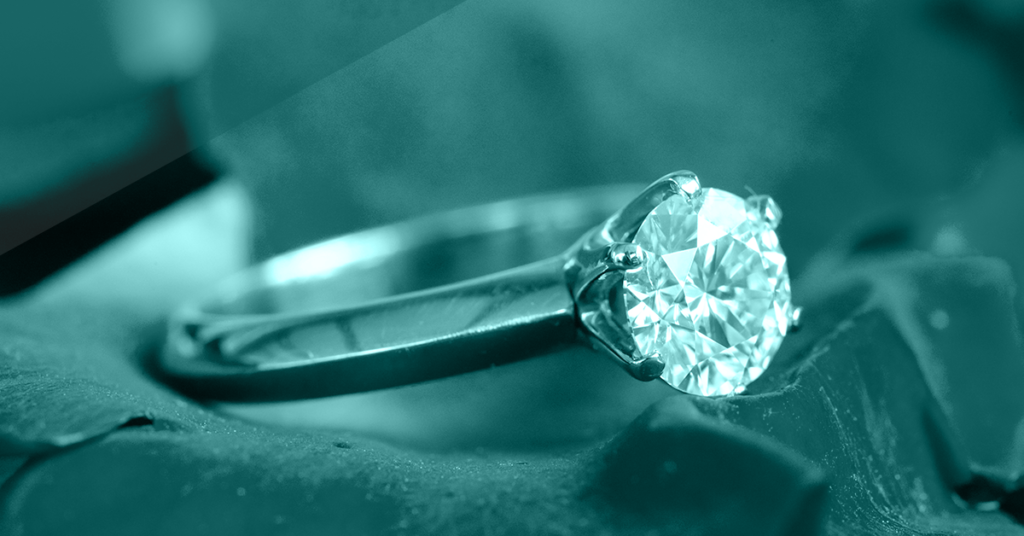
Hunting for oval diamond rings? It is more than scrolling through sparkly things. A careful choice sits behind those clicks. Style matters, yes – but so does meaning. Lasting worth weighs heavy too. Numbers on tags get checked. Craftsmanship gets studied. Where it came from often crosses your mind. Clarity matters most when choices blur. Elegance should sit right on your finger, never heavy with doubt. Lab grown stones step into that space quietly. Identical in look and makeup to mined gems, they simply arrive differently. Price bends easier here. Sourcing becomes something you can trace, not guess at. The appeal? Beauty without the baggage.
Lab Grown Diamonds Explained
Real diamonds can come from a lab. These gems aren’t imitations. Forget cubic zirconia – this isn’t that. Their makeup matches natural diamonds exactly. Formation method? That’s where things split off. How they grow sets them apart. Deep underground, heat and weight squeeze carbon into gems over ages. Inside labs, scientists mimic those conditions with modern machines. What comes out shines just like the earth-made kind – same toughness, same fire. To your eyes, it looks exactly alike. Only specialists with devices can spot which came from where.
How They Are Made
One way works like this. Another takes a different path altogether
- High Pressure High Temperature which mimics natural formation
- Chemical Vapor Deposition which grows the diamond layer by layer
High quality stones come from either method. Depending on the maker, one might fit better than the other. Say someone wants a near-perfect gem with minimal flaws – they may lean toward CVD since it offers tighter precision while forming.
Why They Matter When You Buy
It isn’t merely about picking out a ring. What matters is how it fits your money plan and how happy you’ll feel years later. With lab made stones, things tilt in your favor. For one, identical size and sparkle come at a lower price. That opens doors – maybe go bigger, or pick a sharper design, all within what you planned to spend. Another point: you see exactly where it came from. Think about how that diamond formed. Worry less because digging it up isn’t part of the story here. Then again, strength stays just as high. On the hardness chart, they match their earth-mined cousins exactly. Say money’s tight yet you’re after a 1.5-carat oval piece – this kind lets you stay sharp on size and shine.
Selecting Shape and Cut
Starting with an oval diamond, its form shapes how the piece feels when worn. Not just longish but stretching visual lines across the finger. Light moves through it differently – smooth, steady, flowing without sharp breaks. Consider what stands out most here: balance, proportion, the quiet glow that follows each curve
- Length to width ratio for balanced shape
- Cut quality for maximum brilliance
- Symmetry to avoid uneven edges
A good oval diamond shows no shadowy spots right in the middle. Light spreads across it without uneven patches. Take this shape, for instance – most people like ratios between 1.35 and 1.50.
Cost versus value comparison
What you pay isn’t always what counts. What you get plays a bigger role. Lab grown stones usually run between 30 and 50 percent below natural ones. That gap opens room to stretch your spending smarter. Your pick:
- A higher clarity grade
- A better color rating
- A larger carat size
This freedom shifts your buying entirely. Rather than sticking to less, shaping options becomes possible. Take spending alike amounts – swap a 1 carat mined stone for a clearer 1.4 carat lab-made one.
Clear Simple Colors
Inside the diamond, tiny flaws exist – these show up as little marks when looked at closely. They go by the name of inclusions. The way a diamond looks in terms of whiteness ties into its color grade. A stone does not have to be flawless to catch the eye beautifully. Often, those internal spots stay hidden unless viewed under strong lenses. What matters most is the actual look with your own eyes.
- Fine clarity? A step down from flawless usually works just fine
- Color grade G or H appears white in most settings
A VS2 clarity diamond might carry small imperfections – yet these stay hidden once it’s on the hand.
Ethical and Environmental Considerations
What you buy can say something about what matters to you. Because they’re made in labs, these stones mean less digging into the earth. Less digging often means fewer harms to natural spaces. Since nothing is pulled from conflict zones, worries about unfair work fade away. A choice like this fits today’s thinking – strong on ethics, steady on performance. Nowhere is that clearer than in how shoppers make choices. Take someone who values knowing where things come from – lab made stones give them exactly that.
Durability and Everyday Use
A ring should hold up. Not different from mined ones, lab diamonds stand tough. Scratches? They handle those well. Shine stays put, year after year. Worn daily, they keep up without fuss. A splash of gentle soap, then rinse – this is all it takes to keep things shiny. Brightness stays put when you wipe down the ring after a quick wash.
Buy With Confidence
Picture where you stand before spending. Money comes first – know what fits. What matters most shapes the next move. Questions guide that step
- Looking for bigger dimensions? Or maybe sharper detail instead?
- Color – does it matter much to you?
- Your choice of design depends on what feels right to you
Check the paperwork first. Labs that matter follow tight rules when rating stones. Reports should come from groups people trust. For instance: details on cut, color, clarity, because size alone won’t tell the full story.
Settings That Make Diamonds Stand Out
A ring’s look? That depends on the setting around your stone. How it holds the diamond changes everything about its appearance. Prong, bezel, halo – each shapes the feel in a different way
- Solitaire which highlights the center stone
- Halo which adds extra sparkle around the diamond
- One rock stands for what was. Then comes another, marking now. The third points ahead, like a quiet nod to what might be
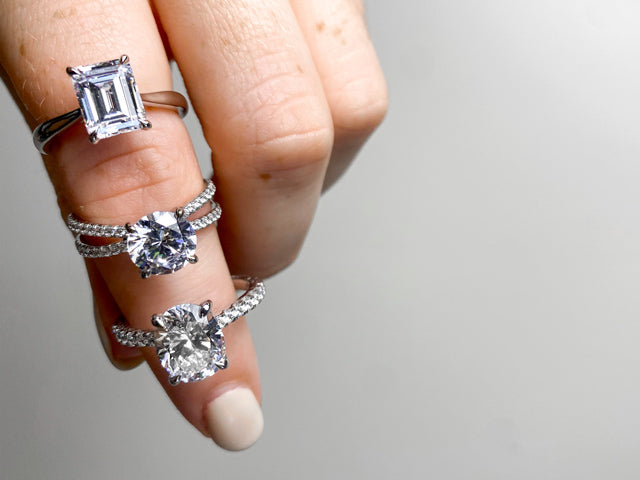
A different kind of frame works best for an oval gem. Designs too busy take attention away. Try a clean single-stone layout – this lets the diamond shine, nothing else competing. The shape gets space to breathe.
Common Misunderstandings
Not everyone jumps right in when buying a diamond. Old thoughts stick around, like thinking man made stones aren’t as good. That belief doesn’t hold up. Another idea floating about is that they’re harder to sell later. Resale scenes change depending on where you look, yet hardly anyone buys gems hoping to profit down the line. What counts is what feels right to you. A fresh look, how long it holds up, yet what you pay – these shape the pick. Take wanting a striking ring worn every day; here, lab created diamonds fit just right, no tradeoffs.
Making the Final Decision
Now you see what counts. A sleek look is on your mind. Value also matters. Clear thinking guides you. These stones give a sensible way forward. Size, quality, one choice at a time, shape it how you want. Guesswork fades when facts fill the space. Design matters more once numbers settle. Pause between steps. Options line up differently each day. Real photos show what words miss. Papers help trust grow slowly. The right pick sits quiet in your hand. Not forced. Clear mind wins.
FAQs
Are lab created diamonds real diamonds
Fine. Just like real diamonds, these share identical makeup and traits. Formation sets them apart, nothing more.
Are they around just as many years as natural diamonds?
Fine for everyday use, they hold up just as well without needing extra attention.
Is it clear how they differ?
Only experts using specialized equipment can tell lab created stones apart from mined ones by sight. Most people see no difference at all when looking closely. Regular observation lacks the precision needed for such a call. Simple tools fail completely here. The human eye alone misses critical details. Advanced analysis remains essential every single time.