
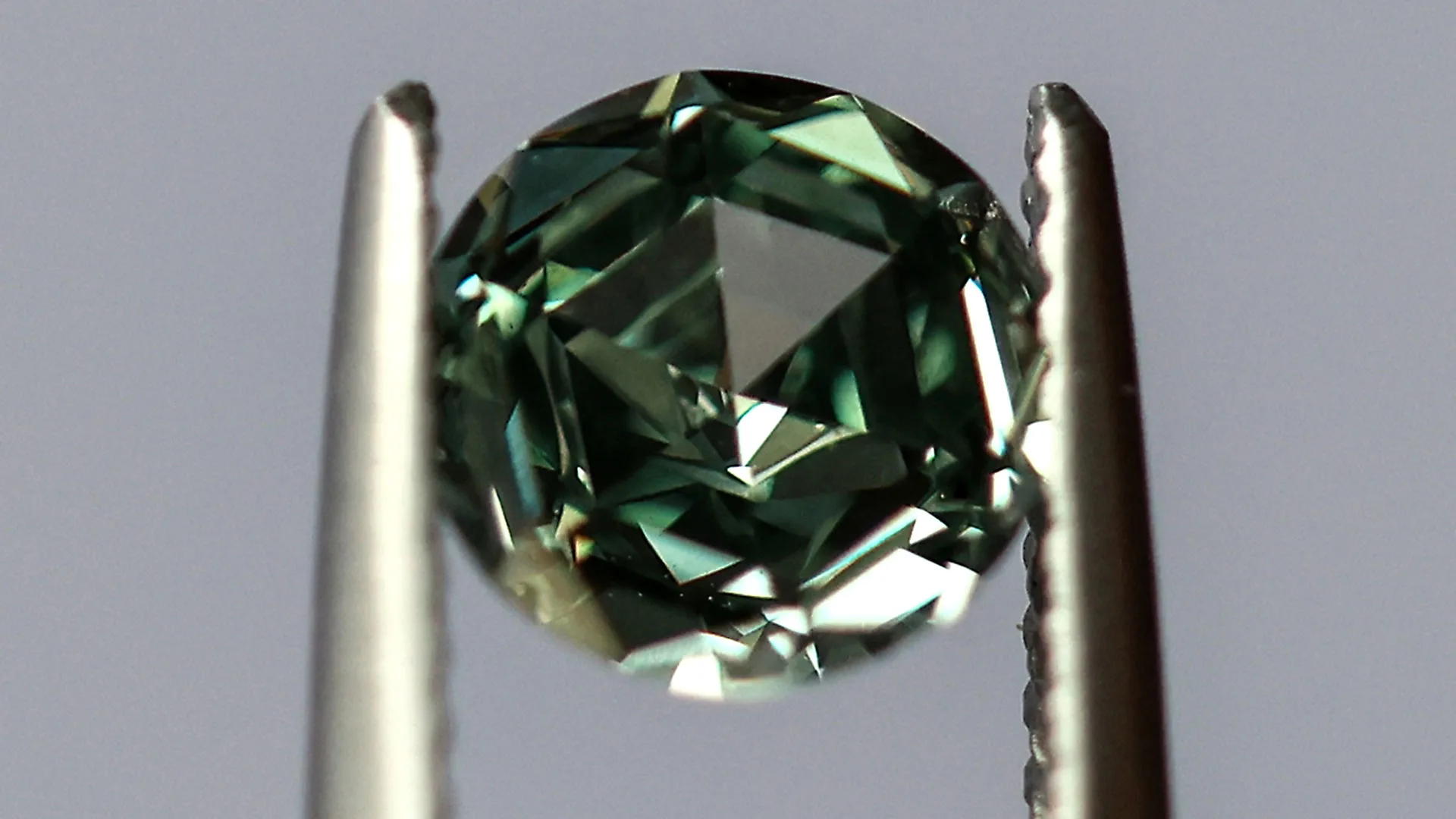
When was the last time you walked into a jewellery store and felt totally lost? Rows and rows of sparkle. Rings, necklaces, earrings—so many choices that your head spins. Now imagine this: instead of picking a ready-made ring, you start with the stone itself. That’s what loose lab grown diamonds let you do. And honestly, it’s kind of refreshing.
The Story Behind the Sparkle
Diamonds have always carried a bit of magic. Some people see romance, others just see status. But either way, the shine is hard to ignore.
Here’s the problem though—natural diamonds don’t come cheap. Not just in price, but also in the cost to the planet and the people mining them. You’ve probably heard about that side of things. It’s not pretty.
Enter loose lab grown diamonds. Let’s clear this up straight away—they’re not “fake.” They’re the real deal. Same carbon, same sparkle, same hardness. The only difference? They’re grown in a lab instead of sitting underground for millions of years.
The science is wild. Heat. Pressure. Carbon. In just a few weeks, you’ve got a diamond that’s almost impossible to tell apart from a mined one. To be fair, most of us wouldn’t know the difference even if we tried.
And here’s the kicker—people are starting to love them. A decade ago, hardly anyone was talking about lab diamonds. Now? They’re everywhere. Celebrities wear them, jewellers sell them, and everyday couples choose them without hesitation.
Why Loose Stones Are Getting Popular
Here’s where it gets fun. Buying a finished ring is nice, sure. But buying a loose lab grown diamond? That’s freedom. It’s like choosing the toppings before you even decide what kind of pizza you’re ordering.
Want a round cut? A pear? Big, small, super clear, or with a tiny flaw you don’t even notice? You’re in control.
Some people buy loose stones and wait. Maybe it’ll become an engagement ring later. Maybe a pendant for an anniversary. Or maybe it just sits in a safe as a little treasure.
Why are more people doing this? A few reasons:
- Customization. You’re not stuck with the same few rings in the store case.
- Transparency. You see the stone first, no tricks.
- Budget wins. lab grown diamonds often cost 30–40% less, so you can go bigger without crying when you see the bill.
- Flexibility. Tastes change. Loose diamonds can be reset into new designs later.
Let’s be honest, there’s something satisfying about pointing to a stone and saying, “That one. That’s mine.”
The Local Angle
In big markets—think New York, London, Hong Kong—shopping for loose stones is already a thing. People actually enjoy it. It feels a bit like treasure hunting.
But the cool part? Thanks to online jewellers, you don’t need to live in a major city anymore. You can sit at home, compare stones, spin them around in 360° views, and get all the grading papers emailed to you. Then have it delivered. Done.
That’s a huge shift. Twenty years ago, you probably needed to trust a local dealer or even fly abroad to get something good. Now, it’s literally a few clicks.
How the Buying Process Works
If you’re thinking this sounds tricky, it’s not. Honestly, it’s pretty simple.
- Pick your budget. Always start here or you’ll fall for a giant stone you can’t afford.
- Learn the 4Cs. Cut, color, clarity, carat. Don’t stress too much though—most people care most about cut and size.
- Browse loose stones. Online or in-store. This is the fun part.
- Check the certificate. IGI, GIA, whatever it is—don’t skip it.
- Decide the setting. Or don’t. You can keep the stone loose until you’re ready.
The best part? You’re not stuck listening to a pushy salesperson trying to upsell you a setting that’s not even your style. You call the shots.
Wrapping It Up
At the end of the day, loose lab grown diamonds are more than just a shopping trend. They’re changing the way people think about jewellery. About ownership. Even about love.
Instead of being boxed into whatever’s on the shelf, you get to start with the stone itself. Build your own design. Tell your own story.

