


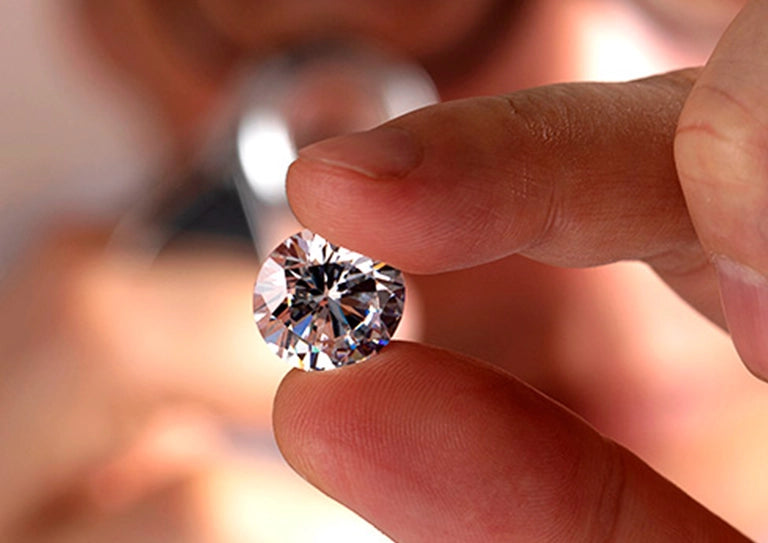
Diamonds are renowned for their unparalleled beauty and cultural significance. Traditionally, they have been mined from the earth, a process that has significant environmental and ethical concerns. In recent years, lab-grown diamonds have gained popularity, offering an alternative that addresses these issues. This guide explores lab-grown diamonds in depth, explaining what they are, how they are made, their benefits, and how to choose the best one.
What Are Lab-Grown Diamonds?
Lab-grown diamonds, also known as synthetic diamonds or cultured diamonds, are diamonds produced in a laboratory rather than mined from the earth. Despite the name, these diamonds are not imitations; they are chemically, physically, and optically identical to mined diamonds. The primary difference lies in their origin.
How Are Lab-Grown Diamonds Made?
There are two primary methods for creating lab-grown diamonds:
- High Pressure, High Temperature (HPHT): This method mimics the natural diamond formation process. It involves applying extreme pressure and temperature to a small diamond seed, causing carbon atoms to crystallize into a diamond structure.
- Chemical Vapor Deposition (CVD): This process involves placing a diamond seed in a chamber filled with carbon-rich gases. The gases are energized, breaking down their molecules, and the carbon atoms deposit onto the seed, forming a diamond layer by layer.
Both methods produce high-quality diamonds, and the choice between them is usually determined by the desired size and quality of the diamond.
Benefits of Lab-Grown Diamonds
Lab-grown diamonds offer several advantages over mined diamonds, including:
- Environmental Sustainability: Lab-grown diamonds have a significantly lower environmental impact compared to mined diamonds. They don’t require large-scale mining operations, which can lead to deforestation, soil erosion, and water pollution.
- Ethical Sourcing: Because lab-grown diamonds are created in a controlled environment lab grown diamonds, there is no risk of funding conflict zones or contributing to human rights abuses often associated with the diamond mining industry.
- Cost-Effectiveness: Lab-grown diamonds are typically less expensive than their mined counterparts. This cost difference can be attributed to the reduced labor and environmental costs of lab-grown production.
How to Choose a Lab-Grown Diamond
When selecting a lab-grown diamond, consider the same factors you would for a mined diamond:
- The Four Cs:
- Carat: The weight of the diamond.
- Cut: The shape and symmetry of the diamond, which affects its sparkle.
- Clarity: The presence of inclusions or imperfections.
- Color: The hue of the diamond, ranging from colorless to yellow or brown.
- Certification: Ensure the diamond is certified by a reputable gemological laboratory, such as the Gemological Institute of America (GIA) or the International Gemological Institute (IGI). Certification provides assurance of the diamond’s quality and origin.
- Ethical Considerations: Verify that the lab where the diamond was grown follows ethical and sustainable practices. This can often be determined through certifications and company transparency.
- Personal Preference: Consider your personal style and preferences when choosing a diamond’s shape, size, and setting.
Conclusion
Lab-grown diamonds are a sustainable and ethical alternative to mined diamonds. They offer identical quality at a lower cost and with reduced environmental impact. By understanding the creation process, benefits, and key considerations, you can make an informed choice when selecting a lab-grown diamond for your jewelry needs. Whether for an engagement ring, necklace, or other piece, lab grown diamonds guides represent the future of the diamond industry.